

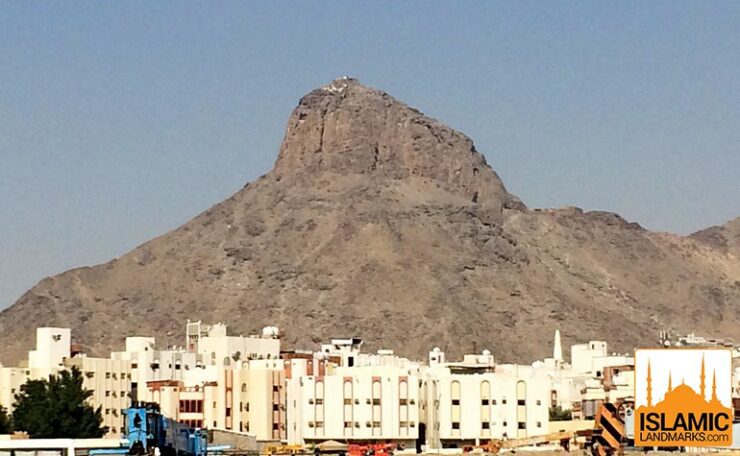
Makkah al-Mukarramah—the ancient valley of Bakkah—is the spiritual heart of the Islamic world. Beyond the central sanctuary of the Holy Kaaba and Masjid al-Haram, the holy city is home to dozens of mountains, revelation caves, historical mosques, and early prophetic landmarks where the foundation of Islam was laid. Whether you are visiting for Hajj, Umrah, or cultural Ziyarah, this definitive guide categorizes over 40 essential Islamic landmarks in Makkah that every pilgrim should know.
1. The Sacred Sanctuary: Masjid al-Haram & Kaaba Precincts
1. The Holy Kaaba (Bayt Allah)
The cube-shaped house of Allah, originally erected by Prophet Ibrahim (AS) and his son Ismail (AS), serves as the universal Qiblah (direction of prayer) for over two billion Muslims worldwide. Draped in the gold-embroidered black silk Kiswah, it is the center of circumambulation (Tawaf).
2. The Black Stone (Hajar al-Aswad)
Mounted in a pure silver casing at the eastern corner of the Kaaba, this heavenly stone descended from Paradise with Prophet Adam (AS) and marks the official beginning and end of each Tawaf circuit.
3. Maqam Ibrahim (Station of Abraham)
A crystal enclosure containing the miracle stone upon which Prophet Ibrahim (AS) stood while raising the walls of the Kaaba. It preserves his distinct foot imprints. Pilgrims offer two Rak'ahs of prayer behind it after concluding Tawaf.
4. The Well of Zamzam
The miraculous freshwater spring that burst forth under the feet of infant Ismail (AS) in response to the frantic prayers of Lady Hajar. For millennia, it has provided endless mineral-rich water to pilgrims across the globe.
5. Al-Multazam
The sacred portion of the Kaaba's outer wall situated between the door of the Kaaba and the Black Stone. It is celebrated as one of the most auspicious spots on Earth for tearful, accepted supplications (Duas).
6. Hijr Ismail (The Hatim)
The semi-circular marble wall adjacent to the northwestern side of the Kaaba. It marks the original footprint of the Kaaba built by Ibrahim (AS); praying inside the Hatim carries the exact reward of praying inside the Kaaba itself.
7. Safa and Marwah Hills (The Mas'a)
The two historic rock outcroppings connected by the climate-controlled multi-level Mas'a corridor. Commemorating Lady Hajar’s desperate search for water, pilgrims walk seven laps between them during the ritual of Sa'i.
2. Sacred Mountains & Revelation Caves
8. Jabal al-Nour & Ghar Hira (Cave of Hira)
Rising northeast of Makkah, the "Mountain of Light" hosts the small summit cave where Prophet Muhammad ﷺ engaged in solitary contemplation and received the very first Quranic revelation: "Iqra' bismi Rabbikalladhi khalaq" (Surah Al-Alaq) via Angel Jibreel.
9. Jabal Thawr & Ghar Thawr (Cave of Thawr)
Located south of Makkah, this rocky peak provided sanctuary to the Prophet ﷺ and his noble companion Abu Bakr al-Siddiq (RA) for three days during their perilous migration (Hijrah) to Madinah, shielded by a miraculous spider web and nesting dove.
10. Jabal Abu Qubays
One of the ancient mountains directly overlooking the eastern side of the Kaaba. Historically, it is where the miracle of the splitting of the moon (Shaqq al-Qamar) was witnessed by the Quraysh leaders.
3. Key Historical Mosques in Makkah
| Mosque Name | Location | Historical Significance |
|---|---|---|
| Masjid al-Taneem (Masjid Aisha) | Taneem (7 km from Haram) | The closest Hil boundary where pilgrims enter the state of Ihram to perform extra Umrahs, following the Sunnah of Sayyidatina Aisha (RA). |
| Masjid al-Jinn | Near Jannat al-Mu'alla | The site where a delegation of Jinn gathered to listen to Prophet Muhammad ﷺ recite the Holy Quran and embraced Islam (referenced in Surah Al-Jinn). |
| Masjid al-Khayf | Mina Valley | The historic mosque in Mina where Prophet Muhammad ﷺ and over seventy preceding prophets prayed during Hajj. |
| Masjid Nimrah | Plain of Arafat | The grand mosque where the annual Hajj Khutbah (sermon) is delivered on the 9th of Dhul-Hijjah (Day of Arafat). |
| Masjid al-Bay'ah (Masjid Aqabah) | Near Mina Jamarat | Built on the exact spot where the Ansar from Madinah pledged their historic first and second Allegiance of Aqabah to the Prophet ﷺ. |
| Masjid al-Hudaybiyyah | Old Jeddah-Makkah Road | Commemorates the signing of the pivotal Treaty of Hudaybiyyah (6 AH) and serves as an official Miqat boundary. |
| Masjid al-Rayah | Near Al-Mu'alla, Makkah | Marks the location where the Prophet ﷺ planted the Muslim banner (Rayah) during the peaceful Conquest of Makkah in 8 AH. |
4. Family, Companion Heritage & Cemeteries
11. Jannat al-Mu'alla (Al-Hajun Cemetery)
The ancient cemetery of Makkah where the beloved first wife of the Prophet ﷺ, Sayyidatina Khadijah al-Kubra (RA), his grandfather Abdul Muttalib, uncle Abu Talib, and son Qasim are buried.
12. Birthplace of the Prophet ﷺ (Maktabat Makkah al-Mukarramah)
Located in the historic She'eb Bani Hashim quarter just northeast of the Kaaba courtyard. The building now houses the Makkah Public Heritage Library.
13. Dar al-Arqam (The First Islamic Learning Center)
The private residence of companion Al-Arqam ibn Abi al-Arqam near Mount Safa, which served as the secret gathering place where the Prophet ﷺ taught the earliest Muslims.
14. Shi'b Abi Talib (Valley of the Boycott)
The barren mountain pass where the Prophet ﷺ, the Banu Hashim clan, and early Muslims endured three harsh years of total economic and social boycott by the Quraysh aristocracy.
5. Essential Tips for Exploring Makkah's Landmarks
- Use the Makkah Bus Network: The official electric Makkah Bus network provides air-conditioned, low-cost transit from the central Haram terminal to Masjid Taneem, Kudai, and outlying heritage areas.
- Climbing Jabal al-Nour & Thawr: Mountain hikes should only be attempted in the early dawn (after Fajr) or late evening to avoid heatstroke. Both mountains now feature paved step paths.
- Respect Heritage Protocols: Keep voices low, do not litter, and respect local guidelines prohibiting writing or graffiti on historical rocks.
Frequently Asked Questions (FAQ)
1. Is it mandatory to visit all these landmarks during Umrah?
No. Visiting historical sites (Ziyarah) is an educational and spiritually enriching voluntary act. Only the Kaaba, Tawaf, Sa'i, and Miqat are required pillars of Umrah.
2. How can I reach Jabal al-Nour (Cave of Hira) from Masjid al-Haram?
Taxis, ride-hailing apps (Uber/Careem), or Makkah Bus Route 7 will take you to the base of Jabal al-Nour (approx. 15 minutes drive). From the base, the hike to the summit takes about 45 to 60 minutes.
3. Where can I renew my Ihram for a second Umrah inside Makkah?
The closest and most popular Miqat is Masjid al-Taneem (Masjid Aisha), located just 7 km north of Masjid al-Haram.
May Allah (SWT) grant you a blessed, safe, and spiritually inspiring journey as you walk in the footsteps of the Prophet ﷺ and his companions in the Holy City of Makkah!
