

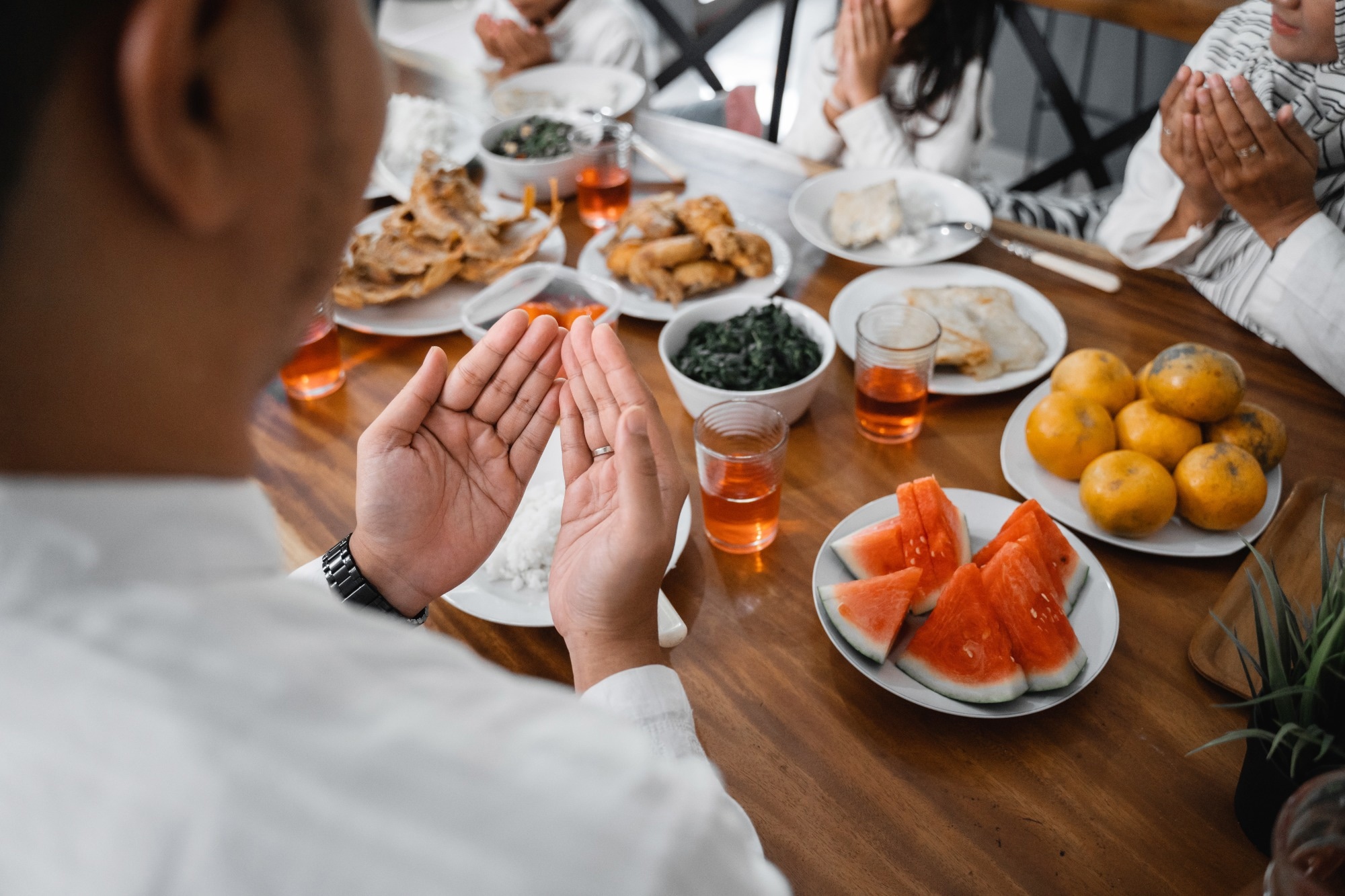
Ramadan—the ninth month of the Islamic lunar calendar—is the holiest and most anticipated month of the year for over two billion Muslims across the globe. Commemorating the month in which the Holy Quran was first revealed to Prophet Muhammad (peace be upon him), Ramadan is a sacred time of daily fasting (Sawm), intensive Quranic recitation, nightly prayers (Taraweeh), charity, and moral purification. The Quran states: "O you who have believed, decreed upon you is fasting as it was decreed upon those before you that you may become righteous." (Surah Al-Baqarah 2:183). Below is your complete, comprehensive guide to mastering the rules, rituals, Duas, and health strategies of Ramadan.
1. The Core Rules of Fasting (Sawm)
Fasting during Ramadan is the fourth pillar of Islam, mandatory for every sane, adult Muslim who is physically and mentally capable. A valid Islamic fast requires two essential components:
- The Intention (Niyyah): Formulating a sincere intention in your heart before the dawn prayer (Fajr) to fast that day solely for the sake of Allah.
- Total Abstinence from Dawn to Sunset: Refraining from food, drink, smoking, and marital intimacy from the first light of true dawn (Fajr) until the moment the sun sets completely (Maghrib).
Fasting is far more than physical hunger; it requires active spiritual discipline. The Prophet ﷺ warned: "Whoever does not give up false speech and evil actions, Allah has no need of him giving up his food and drink." (Sahih al-Bukhari).
2. Suhoor & Iftar: Prophetic Sunnah Traditions
The Pre-Dawn Meal (Suhoor)
Suhoor is the meal eaten in the final portion of the night before Fajr. The Prophet ﷺ strongly advised: "Eat Suhoor, for in Suhoor there is blessing." (Sahih al-Bukhari). It is recommended to delay Suhoor until shortly before the Fajr Adhan to provide steady energy for the day.
Breaking the Fast (Iftar)
It is a beloved Sunnah to hasten the breaking of the fast as soon as the Maghrib Adhan is called. Following the Prophetic tradition, break your fast with fresh or dried dates (Rutab/Tamr) and water before standing for the Maghrib prayer.
3. Essential Ramadan Duas & Supplications
1. Dua upon Breaking the Fast (Iftar Dua)
Arabic: ذَهَبَ الظَّمَأُ، وَابْتَلَّتِ الْعُرُوقُ، وَثَبَتَ الأَجْرُ إِنْ شَاءَ اللَّهُ
Transliteration: Dhahaba adh-dhama'u, wabtallatil-'urooqu, wa thabatal-ajru in sha Allah.
Translation: "The thirst has gone, the veins are moistened, and the reward is confirmed, if Allah wills." (Sunan Abi Dawud)
2. The Dua for Laylat al-Qadr (The Night of Decree)
Arabic: اللَّهُمَّ إِنَّكَ عَفُوٌّ تُحِبُّ الْعَفْوَ فَاعْفُ عَنِّي
Transliteration: Allahumma innaka 'afuwwun tuhibbul-'afwa fa'fu 'anni.
Translation: "O Allah, You are Most Forgiving, and You love forgiveness, so forgive me." (Jami' at-Tirmidhi)
4. Exemptions & Making Up Missed Fasts
| Category | Condition / Status | Required Action |
|---|---|---|
| Temporary Illness & Travel | Short-term sickness, surgery, or traveling a journey distance exceeding ~80 km. | Qadha (Make Up): Fast day-for-day after Ramadan before the next Ramadan arrives. |
| Pregnancy & Breastfeeding | Women who fear harm to their own health or their baby's health. | Qadha: Make up the missed days when health allows. |
| Elderly & Chronic Illness | Permanent conditions where fasting poses danger and recovery is not expected. | Fidya: Pay a meal to feed one poor person for each day missed (approx. $10–$12/day). |
| Intentional Invalidation | Deliberately eating, drinking, or engaging in intimacy without a valid excuse. | Kaffarah: Sincere repentance, making up the day, plus freeing a slave or fasting 60 consecutive days, or feeding 60 poor people. |
5. The Last Ten Nights & Laylat al-Qadr
The final ten nights of Ramadan carry the highest spiritual rewards of the year, containing Laylat al-Qadr (The Night of Decree / Power). Worship on this single night is better than the worship of one thousand months (over 83 years) (Surah Al-Qadr 97:3).
- Search the Odd Nights: Strive diligently across the 21st, 23rd, 25th, 27th, and 29th nights in prayer, Quran recitation, and charity.
- I'tikaf (Spiritual Seclusion): Spending the last ten days in the mosque dedicated exclusively to prayer and worship.
6. Ramadan Nutrition & Health Tips for Fasting
- Complex Carbohydrates at Suhoor: Eat oatmeal, whole grains, eggs, and avocados to provide slow-releasing energy throughout the 14+ hour fast.
- Hydration Strategy: Drink 8–10 glasses of water between Iftar and Suhoor. Avoid sugary sodas and excess caffeine, which accelerate dehydration.
- Avoid Fried Foods at Iftar: Heavy, deep-fried snacks cause sluggishness, acid reflux, and fatigue during Taraweeh prayers. Opt for grilled proteins, soups, and fresh salads.
7. Concluding the Month: Zakat al-Fitr & Eid al-Fitr
Before the morning of Eid al-Fitr, every Muslim household must pay Zakat al-Fitr (Fitrana)—equivalent to one Sa' (approx. 2.5–3 kg) of staple food per person—to ensure all members of the community can feast and celebrate Eid with dignity.
Frequently Asked Questions (FAQ)
1. Does using an inhaler, eye drops, or blood tests break the fast?
According to major contemporary Islamic Fiqh councils, eye drops, ear drops, medical blood tests, and non-nutritive medical injections do not break the fast because they do not enter the stomach through the normal digestive tract.
2. What if I accidentally eat or drink out of forgetfulness?
If you genuinely forget you are fasting and consume food or drink, immediately stop as soon as you remember. Your fast remains 100% valid! The Prophet ﷺ said: "Whoever forgets he is fasting and eats or drinks, let him complete his fast, for it is Allah who has fed him and given him drink." (Sahih al-Bukhari).
3. How many Rak'ahs is the Taraweeh prayer?
Taraweeh can be prayed in sets of 2 Rak'ahs, commonly offered as 8 or 20 Rak'ahs followed by the Witr prayer in congregation or at home.
May Allah (SWT) grant us the strength, devotion, and sincerity to fast the month of Ramadan, forgive all our past sins, and accept all our prayers. Ramadan Mubarak!
